.png)
Things I Wish I Knew When I Started My Yoga Journey 21 Years Ago
When I first started practicing yoga, I had no idea how deeply it would transform my life. Looking back, there’s so much I wish I had known. These are the things that would have made my journey smoother, more enjoyable, and far less intimidating.
From understanding the true value of yoga props to learning how to actually listen to my body, my practice has evolved in ways I never expected. My goal in sharing this is simple. I want to help you avoid the common mistakes and misconceptions that can hold you back when you’re just starting out.
One of the biggest game changers for me was learning to embrace yoga props, especially the yoga belt.
Is a Yoga Belt Necessary?
No.
But is it beneficial? Absolutely.
When I first started practicing in yoga studios, props were often seen as something only beginners used, almost like a sign you needed “extra help.” In many of the power vinyasa classes I attended, there was an unspoken push to move through poses without support, as if using props meant you weren’t strong or flexible enough.
That mindset is far from the truth.
I wish I had understood earlier that yoga props, especially a yoga belt, are tools designed to support, enhance, and deepen your practice. They allow you to move with more awareness, improve alignment, and build flexibility safely.
You are not doing less by using a belt.
You are doing it smarter.
If you have ever felt discouraged about using props, you are not alone. Embracing them can make your practice stronger, safer, and far more sustainable over time.
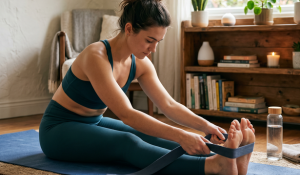
Common Yoga Belt Mistakes Beginners Make
Using the Wrong Length
Many beginners choose a belt that is too short, which limits its effectiveness. If your belt does not allow enough range of motion, you will struggle to fully access certain stretches. Choosing the right length for your height makes a big difference.
Holding the Belt Too Tightly
A yoga belt is meant to assist, not create more tension. Gripping too tightly can cause unnecessary strain in your hands, shoulders, and neck. Aim for a relaxed but supportive hold.
Ignoring Proper Alignment
A belt should help you find better alignment, not force you deeper into a pose. One of the most common mistakes is using it to overstretch instead of using it to move with control. Always prioritize posture over depth.
How a Yoga Belt Improves Your Yoga Practice
When used correctly, a yoga belt becomes an extension of your body. It allows you to move with more intention, control, and awareness.
Instead of thinking of it as a crutch, start seeing it as a tool that helps you access poses more safely and effectively. When you understand how to use it properly, you unlock a new level of strength and flexibility in your practice.
Benefits of Using a Yoga Belt
- Reduces Risk of Injury
Supports proper alignment and helps prevent overstretching. - Improves Flexibility Safely
Allows you to gradually deepen stretches without strain. - Enhances Alignment
Helps you maintain proper form and protect your joints. - Relieves Muscle Tension
Useful for releasing tightness in the shoulders, back, and legs. - Builds Body Awareness
Gives you feedback so you can better understand your limits and progress.
Choosing the Right Yoga Belt
Does It Have to Be an “Official” Yoga Belt?
Not at all.
One of the best things about yoga is its accessibility. If you do not have a belt, you can use everyday items like:
- A scarf
- A belt
- A jump rope
- A rolled-up up bath towel
These work well when you are just getting started or in a pinch.
That said, having an actual yoga belt can be helpful, especially for poses that require a loop or a longer range than household items can provide.
.png?width=592&height=345&name=Untitled%20design%20(2).png)
What to Look for in a Yoga Belt
Length
Most yoga belts come in 6 ft, 8 ft, or 10 ft options. A general guideline:
- Under 5'5" → 6 ft belt
- 5'6" to 6'0" → 8 ft belt
- Over 6'0" → 10 ft belt
For reference, I am about 5'6" and use a 6 ft belt for most poses, but a longer belt can give you more versatility.
Material
Cotton belts are your best option. They are durable, easy to grip, and provide stability. Avoid elastic belts because they reduce control and can affect alignment.
Buckle or Loop
Belts with metal or plastic buckles make adjusting length easier, but both options work well. It comes down to preference.
Cost
Yoga belts are one of the most affordable yoga props. Most start around $10 USD depending on the brand and design. I bought mine years ago and it is still holding up well.
Pro Tip
Prioritize function over aesthetics. A simple, durable belt will serve you better than a trendy one.
Final Thoughts
A yoga belt may seem simple, but it can completely change the way you move and experience your practice.
Whether you are working on flexibility, improving alignment, or making poses more accessible, this one tool can help you build a stronger, more sustainable foundation.
If you have been hesitant to use one, take this as your sign to try it.
You might be surprised at how much more connected, supported, and confident you feel on your mat.
**If you enjoyed this post and found it valuable, I would be so grateful if you would buy me a coffee so that I can continue to create health and wellness posts that inspire, educate and empower women to show up for themselves to live happy, healthy and strong lives.
Leave Your Comment
All comments are read and monitored for Appropriateness. Thank you.